The balance of luck and skill in gambling Who really has the upper hand
The balance of luck and skill in gambling Who really has the upper hand
The Nature of Gambling: Luck vs. Skill
Gambling is a fascinating world where luck and skill intertwine, creating a dynamic experience for players. At its core, gambling games can be categorized into two main types: games of chance and games of skill. In games of chance, such as slots and roulette, the outcome is largely determined by random events, making luck the predominant factor. However, in skill-based games like poker and blackjack, players can influence the results significantly through their decisions and strategies. Many players gravitate towards sites like Vipzino for the variety and excitement they offer.
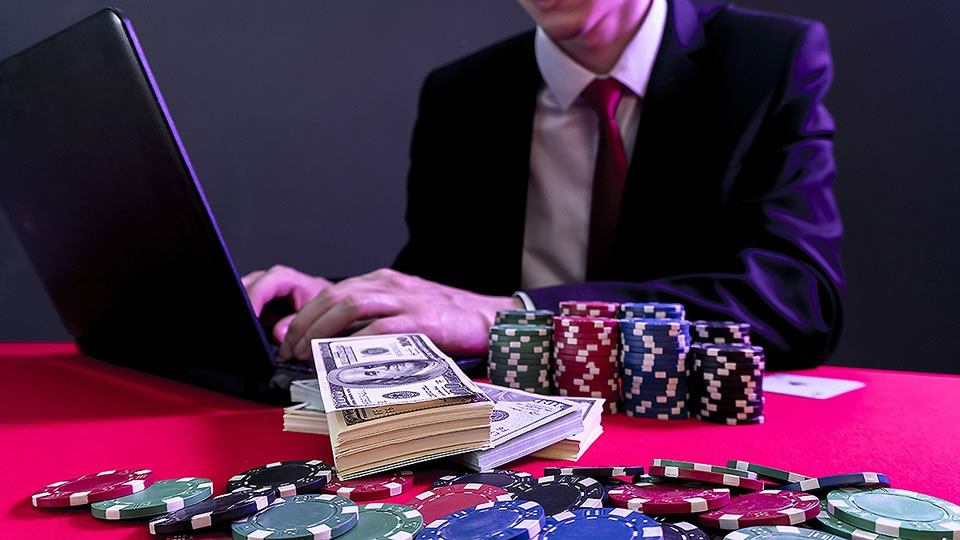
The balance between luck and skill is not merely philosophical; it has real implications on the way players approach these games. A skilled poker player can take advantage of their understanding of probability, psychology, and strategy, while the novice might rely solely on luck to guide their hands. This dichotomy often leads to the question of who holds the upper hand in gambling: is it the experienced strategist or the fortunate novice?
Understanding this balance also sheds light on the allure of gambling. For many, the thrill of risk-taking and the hope of a windfall create a powerful motivation to engage in gaming activities. Whether one prefers the randomness of a slot machine or the calculated risks of a card table, the dance between luck and skill is a central theme that keeps players coming back for more.
The Role of Luck in Gambling
Luck plays an undeniable role in the world of gambling. In most gambling scenarios, luck can determine the outcome of any single event, whether it’s the roll of the dice or the flip of a card. Even the most skilled players must acknowledge that luck can sometimes provide an unexpected twist, turning the tide in favor of one player over another. This element of surprise adds an exhilarating layer to the experience, enticing players to take that next spin or draw another card.
The randomness inherent in gambling can also create a psychological phenomenon known as the «gambler’s fallacy,» where individuals believe that past outcomes will influence future results. While luck can indeed be capricious, seasoned players understand that each game is a separate event, and the prior results have no bearing on future ones. Recognizing this distinction is crucial for responsible gambling, as it influences how players budget their money and time.
Moreover, the role of luck is not just about winning or losing; it also shapes the overall experience. Many people find joy in the thrill of chance, the anticipation of what could happen next. This emotional engagement can sometimes overshadow the skill component of gambling, leading to an environment where pure luck feels like a worthy adversary against any strategy.
The Influence of Skill in Gambling
While luck may be a significant factor, skill can often tip the scales in a player’s favor, particularly in games that require strategy and decision-making. In poker, for instance, understanding the odds, reading opponents, and employing tactical gameplay can often yield better results than sheer chance. Skilled players continuously refine their abilities through practice, research, and experience, allowing them to navigate complex game dynamics effectively.
In addition to traditional strategies, modern technology has introduced new avenues for honing gambling skills. Online platforms provide educational resources, simulators, and community forums that help players develop their expertise. This emphasis on skill development reshapes the landscape of gambling, emphasizing that while luck may lead to a win, sustained success is often the product of hard work and practice.
Furthermore, understanding the psychological elements of gambling can significantly enhance a player’s skill. Techniques like bankroll management, emotional control, and understanding game theory can help players make more informed decisions and manage their risk. A player who understands both the probabilities and their emotional responses to wins and losses stands a much better chance of emerging victorious in the long run.
How to Achieve a Balanced Approach
Finding a balance between luck and skill is essential for any successful gambler. A well-rounded approach involves recognizing when luck is on your side and when it may be time to employ strategic thinking. This awareness can lead to better decision-making, especially in high-stakes situations where the outcomes are more uncertain. Players who can discern these moments and adapt their approach accordingly often enjoy more consistent results.
Budgeting is another crucial element that intertwines with both luck and skill. Establishing a clear budget allows players to engage in gambling responsibly while minimizing the risks associated with chance. This financial management serves as a foundation for a balanced approach, ensuring that players can enjoy the experience without jeopardizing their financial stability.
Ultimately, the most successful gamblers understand that both luck and skill have their roles to play. By recognizing when to trust in luck and when to rely on skill, players can navigate the complexities of gambling more effectively. This balanced mindset not only enhances enjoyment but also improves the likelihood of long-term success, transforming gambling from a mere game of chance into a thoughtful pursuit.
:max_bytes(150000):strip_icc()/GettyImages-108359653-57156e533df78c3fa2286c42.jpg)
Exploring the Online Gambling Landscape
The rise of online gambling platforms has significantly altered the landscape for players, blending traditional elements of skill and luck with modern technological advancements. Online casinos offer a wide array of games, ranging from slot machines to sophisticated card games, each providing different levels of engagement regarding skill and chance. Players can enjoy the convenience of gaming from home while exploring various options to find the games that suit their preferences.
Furthermore, online casinos often provide extensive resources for education and skill enhancement. For instance, many sites offer tutorials, practice modes, and community discussions that can help players refine their strategies. This access to knowledge empowers individuals to develop their skills, allowing them to approach games more strategically rather than relying solely on luck.
In summary, the balance of luck and skill in gambling is more prominent than ever in the online gaming landscape. Players can choose their level of engagement, understanding that skill can provide an edge in games while still being subject to the whims of chance. This duality makes the online gambling experience both exciting and complex, appealing to a diverse array of players seeking fun and potentially lucrative gaming experiences.
Comentarios recientes